




Stable Output for Lighting Projects
Constant-voltage power supplies for LED strips, signage, displays, and other low-voltage projects, with multiple output voltages, wattages, and housing designs.
Filters
11 products



See It in Action
Real unboxings, product demos, and customer videos for a closer look before you buy.


Shipping & Delivery
Most in-stock orders ship from our US warehouse within 1–3 business days.
Reliable Power for LED Lighting Projects

Stable DC Power Output
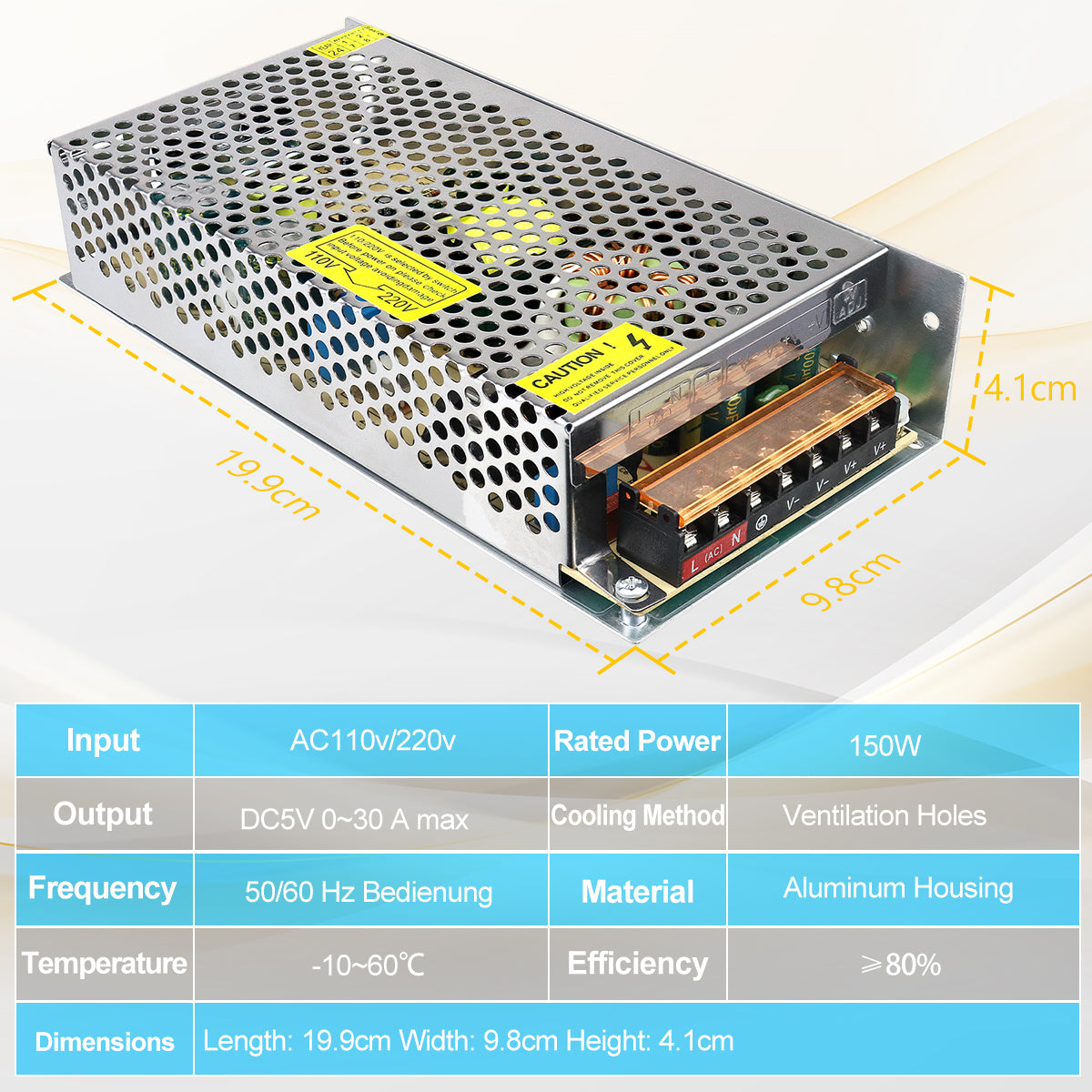
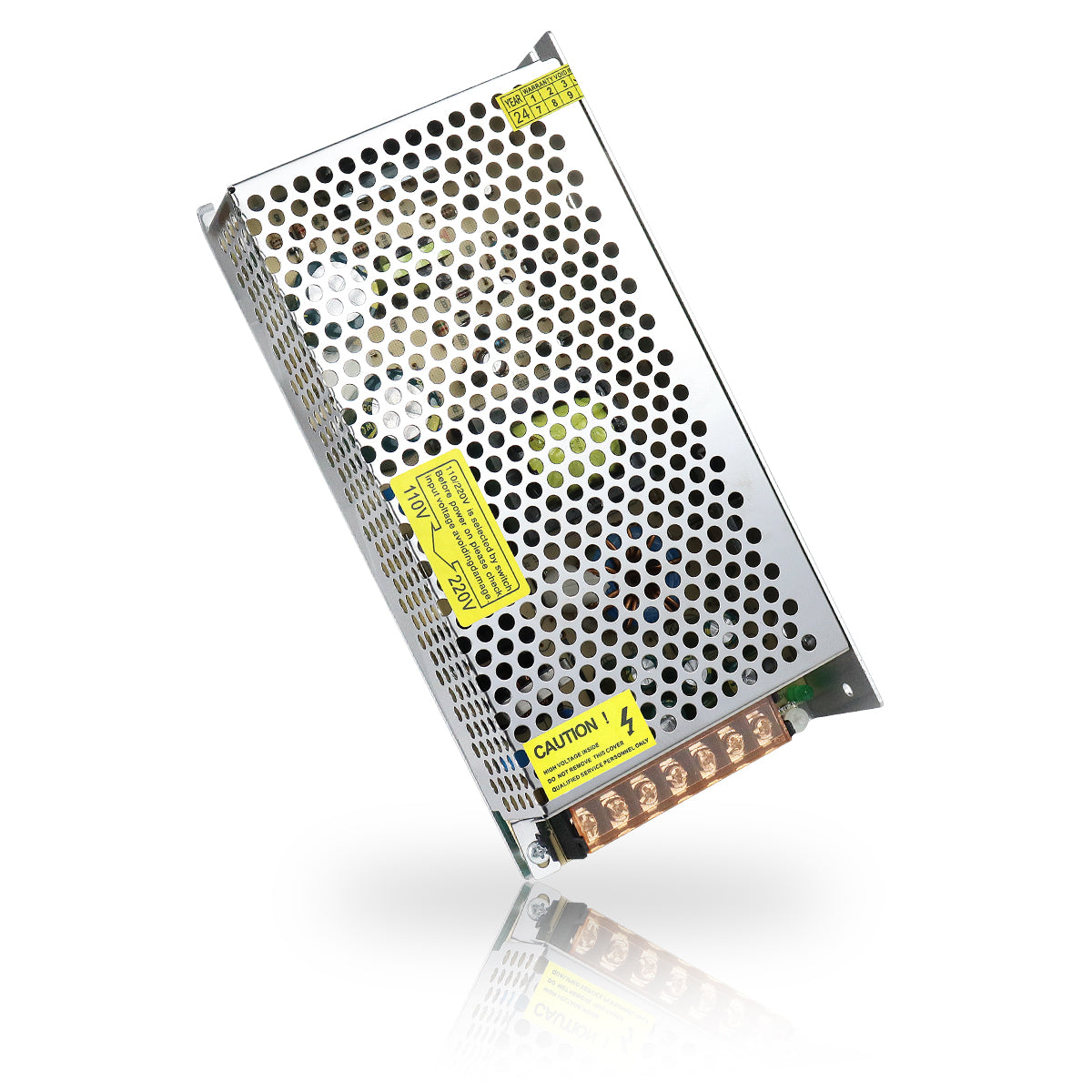
Constant-voltage models convert AC input into regulated DC power for compatible LED strips, signage and low-voltage lighting systems.

Multiple DC Voltage Options
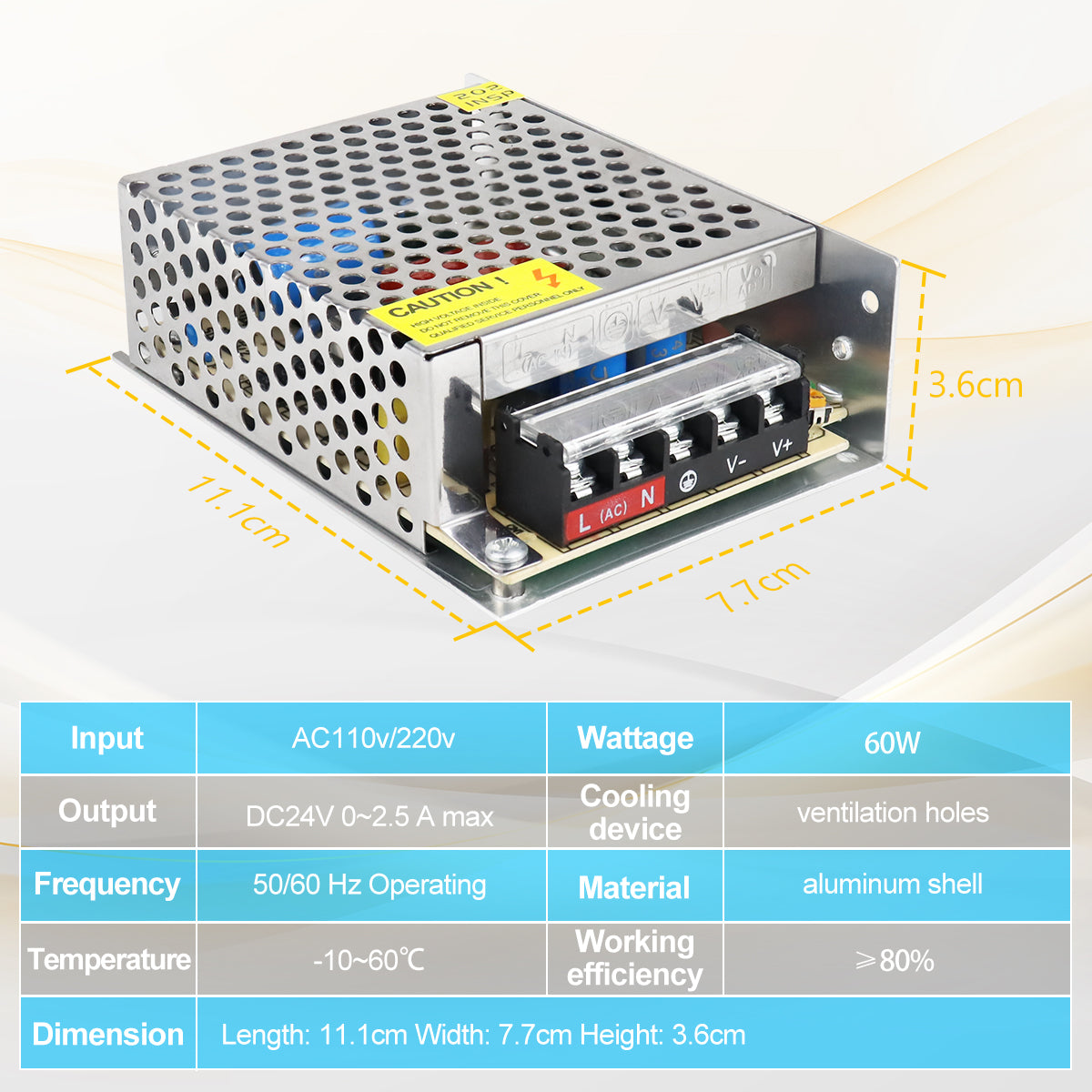
Choose from 5V, 12V and 24V outputs, with selected 36V and 48V models for specialized lighting and electrical projects.

Wide Wattage Selection
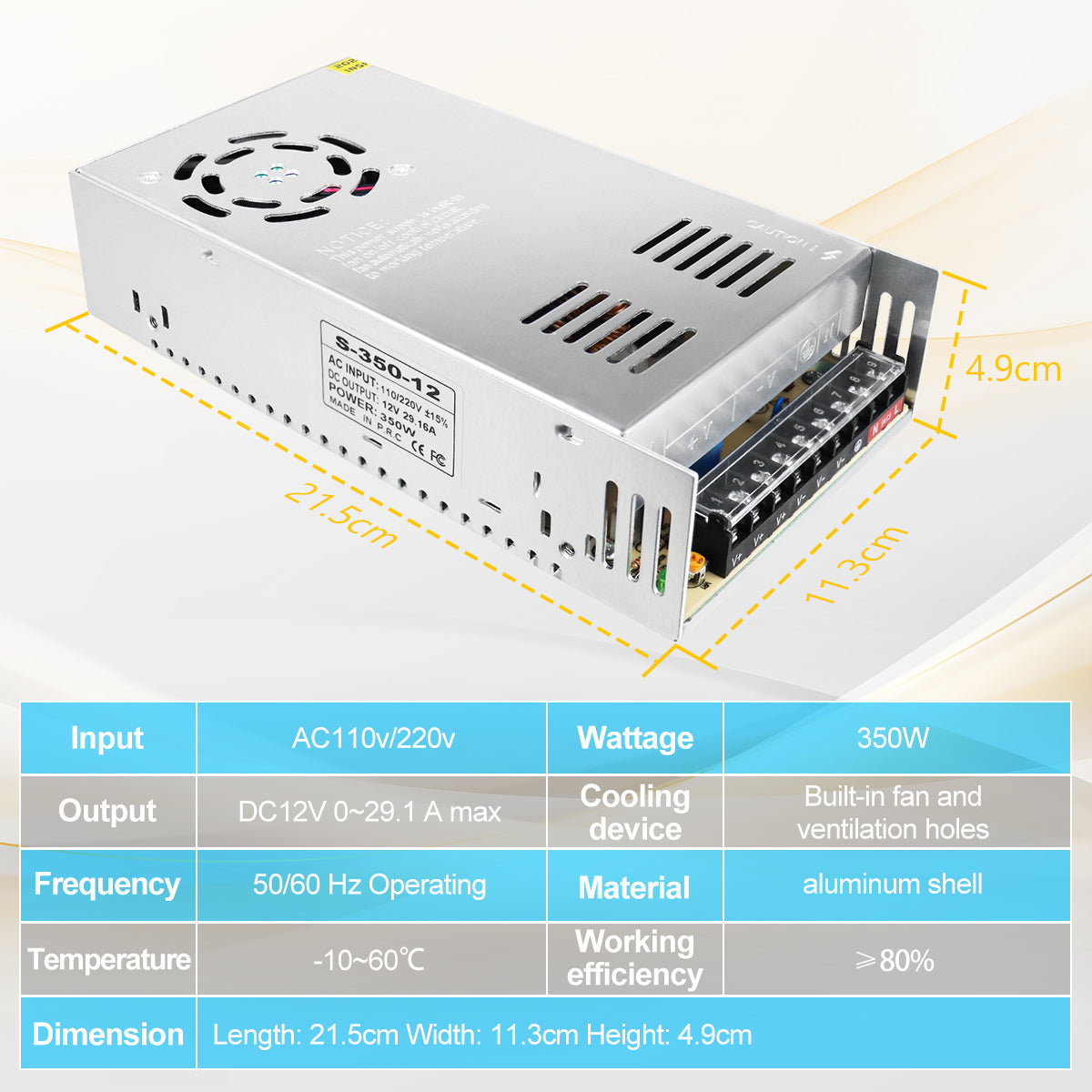
From compact 10W supplies to high-capacity 1000W models, find suitable power options for small LED installations and larger lighting systems.

Standard & Slim Metal Housings
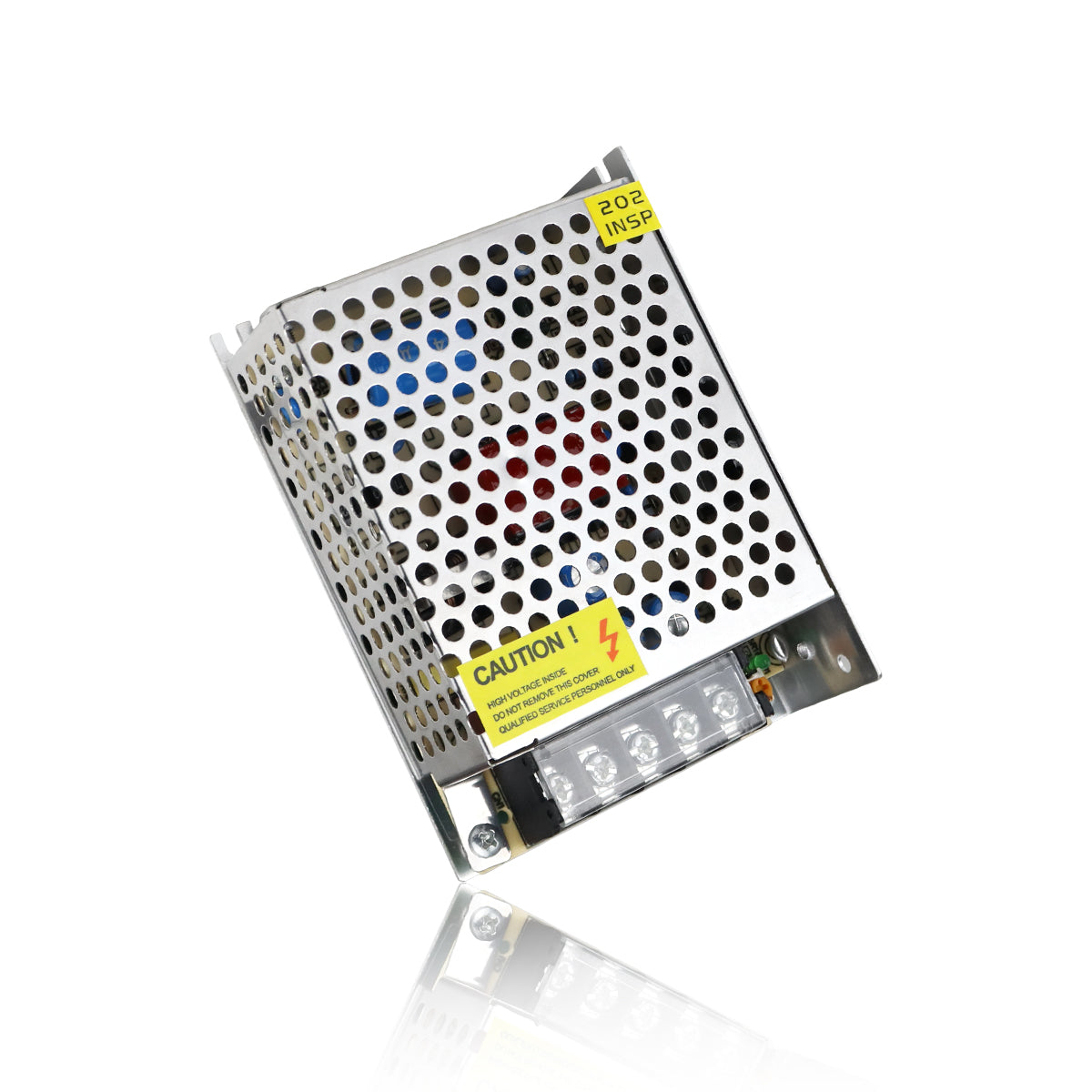
Choose standard metal-enclosed supplies or compact slim black designs to accommodate different mounting spaces and installation layouts.

Cooling Options for Different Loads
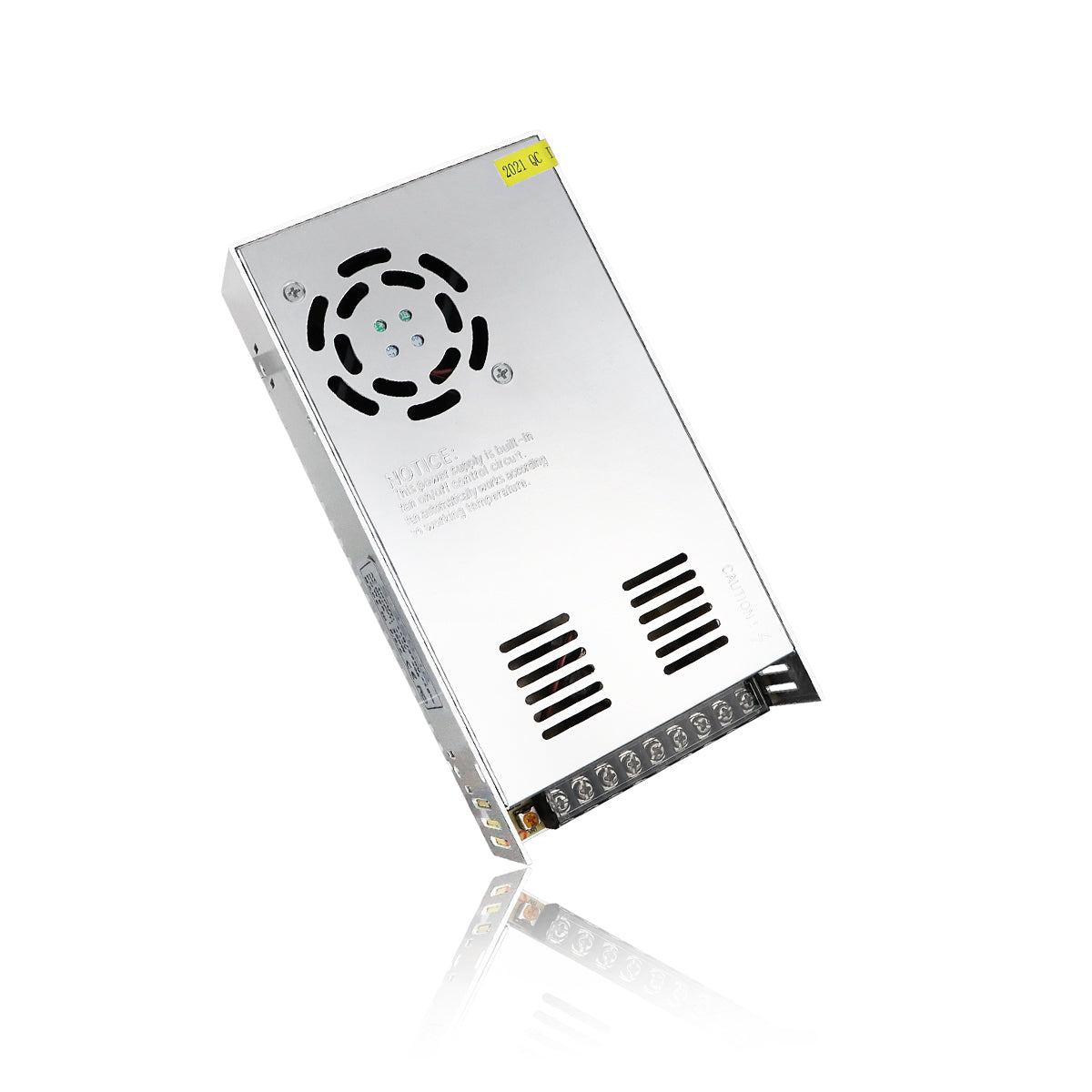
Available fanless designs and selected fan-cooled high-power models support different power requirements and ventilation setups.

Practical Wiring Connections
Screw-terminal connections on selected models provide straightforward AC input and DC output wiring for compatible LED lighting projects.
Questions, projects & expert answers
Explore real customer questions, application ideas and answers from our team.
Featured discussion · Buying guide
5V, 12V or 24V — which switching power supply does my LED project actually need?
Match the output voltage first, then calculate the required wattage
Answered by LightingWill
Official answer

July 15, 2024
Answered by LightingWill
How do I choose 60W, 100W, 150W or a larger switching power supply?
Calculate the connected load before choosing the power rating

July 15, 2024
Buying guide
Standard metal case or slim black power supply — when does the smaller housing actually matter?
I’m building LED lighting into a display wall and the power supply will sit inside a fairly narrow equipment compartment. The normal silver switching supplies would fit, but only just. I noticed the slim black versions are available in both 12V and 24V. Is there any real functional reason to use the slim version, or is it mainly useful when you’re short on mounting space?
No discussions in this category yet.
Buying guide
Lighting specialist
5V, 12V or 24V — which switching power supply does my LED project actually need?
I’m putting together a few LED projects and the part I keep getting stuck on is the power supply.
There are 5V, 12V and 24V versions that all look pretty similar, then a bunch of different wattages inside each voltage.
Do I decide the power supply voltage based on how much power I need, or does it have to match the voltage of the LED strip first?
I’m trying to understand the order I should choose everything in before I buy the wrong supply.
Answered by LightingWill
Lighting specialist
Start with the required DC voltage of the connected equipment.
A 5V LED system requires a compatible 5V power supply, a 12V system requires 12V, and a 24V system requires 24V. Voltage and wattage are separate decisions.
Once the voltage is confirmed, calculate the combined wattage/current of the connected load and select a supply with sufficient capacity.
The current LightingWill collection includes standard 5V, 12V and 24V switching supplies, while the MEANWELL UHP range expands the available output choices to 5V / 12V / 24V / 36V / 48V.
Official answer
July 15, 2024
Lighting specialist
How do I choose 60W, 100W, 150W or a larger switching power supply?
July 15, 2024
The wattage printed on the power supply is its maximum rated output, not the amount that every installation automatically uses.
Choosing the correct size starts with the total power requirement of everything connected to the supply.
Answered by LightingWill
Lighting specialist
First calculate the total wattage and current requirement of the connected LED strips or other DC equipment.
For example, LightingWill’s standard 12V series currently includes:
- 60W
- 100W
- 120W
- 150W
- 180W
- 200W
- 240W
Higher-power 12V models extend from 350W to 600W, while the upgraded 12V series reaches 720W / 60A.
Avoid selecting a supply whose rating is already below the calculated load, and do not plan an installation around continuously operating beyond its rated output.

Buying guide
Lighting specialist
Standard metal case or slim black power supply — when does the smaller housing actually matter?
Add the complete customer question or story here.
Answered by LightingWill
Lighting specialist
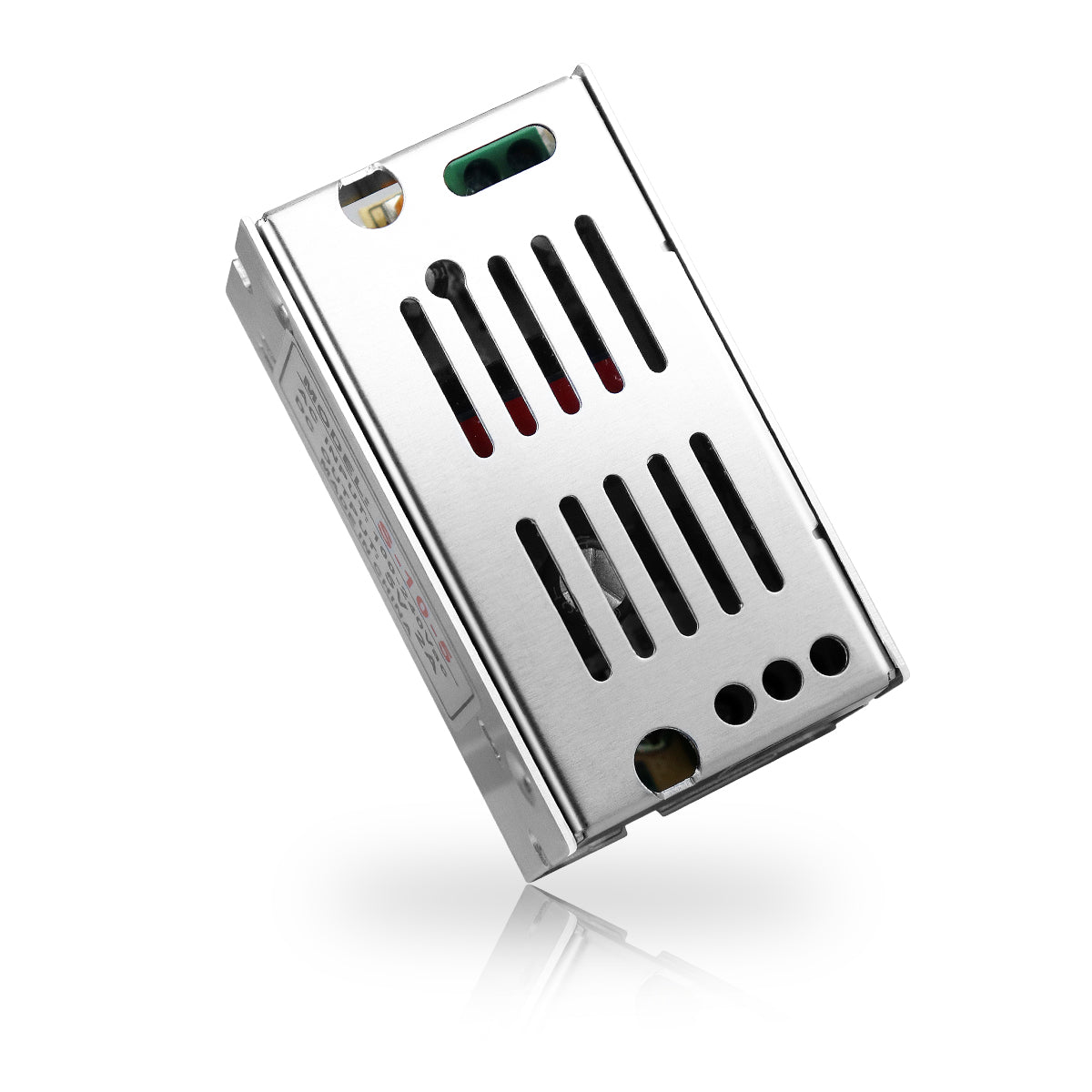
The main advantage of the Slim Black series is its narrower enclosure for space-limited installations.
The current fanless Slim Black range is available in:
- 12V or 24V
- 36W / 60W / 100W / 120W / 150W / 200W
- AC 110–250V input
It uses a compact metal housing with passive cooling and screw-terminal connections.
The standard metal-case ranges offer many of the same basic constant-voltage functions, so enclosure style should be chosen around the installation space, required wattage and cooling arrangement rather than assuming the slim version changes the required output voltage.

Lighting Stories & Guides
Product demos, buying guides, installation tips, and lighting inspiration for real projects.

LED Switching Power Supply
MEANWELL UHP Series 500W Power Supply Video Demo – Slim High-Efficiency LED Driver | LightingWill
MEANWELL UHP Series 500W Power Supply Video Demo – Slim High-Efficiency LED Driver Video Description Explore the MEANWELL UHP Series 500W switching power supply in...
Read & watch →

JUST ARRIVED
New LED Aluminum Channels
Fresh Designs. Seamless Lighting.
Meet our latest LED aluminum channel additions, designed to bring a clean, modern finish to your lighting projects.
DISCOVER NOW
LIMITED-TIME OFFER
Special Series Savings
Great lighting, special pricing.
Discover this period's featured lighting offers.
Check the applicable products and promotion details before ordering.